By Jacque
October 16, 2025
You step into your kitchen after a long day, and that faint sticky feel under your feet hits you. Dust clings to the blinds, and the fridge hums with who-knows-what inside. Many folks think a quick wipe-down counts as cleaning, but it leaves grime hidden in cracks and corners. A deep clean goes way deeper. It tackles the built-up dirt, germs, and allergens that routine chores miss. This guide breaks down what a deep clean really involves, whether you hire pros or roll up your sleeves for a DIY overhaul. You'll get step-by-step insights to make your home sparkle from top to bottom.
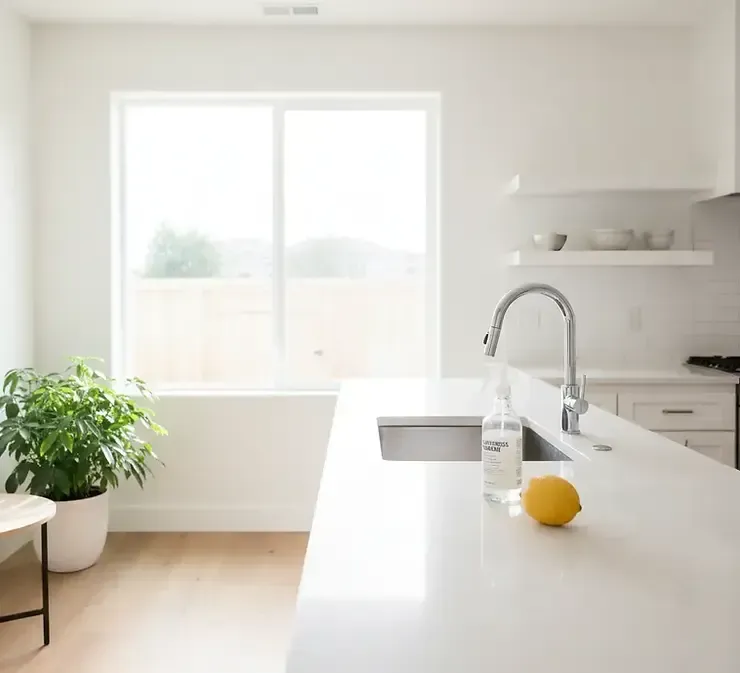
Kitchen Deep Cleaning – The Germ Hotspot Overhaul
Kitchens breed bacteria fast. Food scraps, grease splatters, and spills create perfect spots for germs to hide. A deep clean here means scrubbing every nook to restore safety and shine. Beyond a simple counter wipe, you focus on appliances, cabinets, and surfaces that trap years of buildup.
Inside and Out Appliance Detailing
Start with the oven. Pull out the racks and soak them in hot, soapy water to loosen baked-on gunk. Scrub the interior with a paste of baking soda and vinegar, then wipe the glass door until it's clear. For the fridge, empty everything out, toss expired items, and wash shelves with a mild disinfectant. Check the seals for mold—wipe them with a damp cloth and baking soda mix. Don't forget the microwave: steam it with a bowl of water and lemon for five minutes, then scrub the turntable and walls.
If your freezer needs attention, defrost it first. Unplug the unit and let ice melt in the sink with towels to catch drips. This prevents damage and makes cleaning easier. Pros say this step alone cuts energy use by up to 10% once done right.
Cabinetry, Pantry, and Drawer Organization
Empty all cabinets and drawers to face the mess head-on. Wipe inside shelves with a degreaser solution—grease from cooking sticks like glue over time. Sort items as you go: keep only what you use, and line drawers with fresh paper to prevent future stains. For exteriors, especially near the stove, use a grease-cutting spray on fronts and handles. Dust builds up on top of cabinets too, pulling in pests if ignored.
Think about that one time you found crumbs from last year's holiday baking. It shows how neglect leads to bigger problems. A full empty-and-wipe routine keeps things fresh and organized for months.
Sink, Backsplash, and Grout Restoration
Sinks get hit with food bits and water stains daily. Scrub the basin with a pumice stone for tough spots, then shine the faucet. Run ice cubes down the disposal to clear blades, followed by a vinegar pour for deodorizing. Backsplashes need a deep scrub—mix vinegar and dish soap to cut through splatters.
Grout lines yellow from spills, so apply a grout cleaner and brush vigorously. Let it sit for 10 minutes before rinsing. This restores the look and kills hidden bacteria. Hard water spots? White vinegar soaks them away without harsh chemicals.
Bathroom Deep Cleaning – Sanitization and Scale Removal
Bathrooms trap moisture and microbes like no other room. Soap scum coats everything, and mold sneaks into grout. A deep clean demands strong focus on disinfection to wipe out these threats. You go past daily swipes to dissolve buildup and polish fixtures for a hygienic space.
Shower, Tub, and Tile Penetration
Soap scum builds thick in showers and tubs. Spray an acidic cleaner like diluted vinegar on walls and let it fizz for 15 minutes. Scrub with a nylon brush to break it down—avoid bleach on colored tiles to prevent fading. For shower curtains, toss them in the wash with vinegar, or replace if they're mildewed.
Grout darkens fast in humid spots. Use a baking soda paste and brush to whiten it, then seal with a grout protector spray. This stops future stains. Ever notice how a foggy shower door blocks light? Deep cleaning clears that haze for a brighter room.
Fixture Polishing and Limescale Eradication
Limescale clings to showerheads and faucets from mineral-rich water. Soak removable heads in vinegar overnight, then rinse and scrub. For fixed ones, fill a bag with vinegar and secure it around the fixture—genius for hard-to-reach spots. Polish chrome with a microfiber cloth and glass cleaner to banish water spots.
Drains clog with hair and soap. Pour baking soda followed by vinegar, let it bubble, then flush with hot water. This natural method clears gunk without pipes. Studies show bathrooms harbor more germs than kitchens if not deep cleaned regularly.
Toilet Deep Disinfection (Inside and Out)
Toilets hide bacteria under rims and in tanks. Lift the seat and scrub the base with a disinfectant wipe, getting into hinge crevices. For the bowl, apply cleaner under the rim and let it sit before brushing—use a long-handled tool for full reach. Wipe the exterior tank and lid thoroughly.
Don't skip the floor around the base; mop with a bleach solution for kill power. Bacteria thrive in these overlooked areas, leading to odors. A full disinfect routine cuts illness risk by freshening the whole setup.
Living Areas and Bedrooms – Dust Mitigation and Upholstery Care
Dust floats everywhere in living spaces and bedrooms. It settles on fabrics and floors, stirring allergies. Deep cleaning here targets dry removal over wet methods to control particles. You focus on air flow, textiles, and hidden dust traps for a fresher feel.
High/Low Dusting and Vent Cleaning
Dust high first: wipe ceiling fan blades with a damp cloth to catch loose dirt before it falls. Clean light fixtures by removing bulbs and dusting shades gently. Baseboards collect dust bunnies—use a vacuum with a brush attachment, then wipe with a dry cloth.
For vents, pop off covers and vacuum inside with a hose tool. This improves air quality—clogged vents push dust back into rooms. HVAC systems alone can hold pounds of dust if ignored yearly.
Carpet and Rug Extraction vs. Vacuuming
Regular vacuuming skims the surface, but deep cleaning needs extraction. Rent a machine for hot water extraction: it sprays soap and sucks out dirt from deep in fibers. For DIY, sprinkle baking soda, let it sit, then vacuum for deodorizing.
Carpets trap dust mites and allergens—up to 1,500 per square foot in dirty ones, per allergy experts. Extraction removes 90% more than vacuuming alone. Rotate rugs during the process to even wear
Upholstery and Mattress Sanitization
Vacuum sofas under cushions to grab crumbs and dust. Spot treat stains with a fabric cleaner, blotting not rubbing. Steam clean for sanitization—heat kills germs without soaking. For mattresses, sprinkle baking soda, vacuum after 30 minutes, and flip if possible.
Deodorize with essential oils on fabrics for a fresh scent. This routine fights allergens that build up from skin flakes and sweat. Your sleep space feels renewed after.
Walls and Forgotten Spaces
Vertical surfaces like walls gather marks over time. They affect how clean a room looks overall. Deep cleaning these spots polishes the big picture. You hit the often-skipped areas that tie everything together.
Wall Spot Treatment and Baseboard Scrubbing
Walls show scuffs from daily life. Mix baking soda and water into a paste for gentle scrubbing on marks—test in a hidden spot first. For wallpaper, use a damp sponge lightly. Baseboards need a vacuum sweep, then scrub with a magic eraser for grime.
Dust here leads to allergies if left. This step brightens walls without full repainting. Quick fixes like these save time long-term.
Door Jambs, Light Switches, and Vents
High-touch spots like switches yellow from oils. Wipe with disinfectant and a cloth. Door jambs collect pet hair—vacuum and dust weekly, but deep clean means a full wipe-down. Outlet plates unscrew for behind-the-scenes cleaning.
Vents tie back to air flow; dust covers and insides. These small tasks prevent germ spread. Touch points harbor more bacteria than floors, so prioritize them.
Essential Tools and Techniques for Effective Deep Cleaning
Tools make deep cleaning less of a chore. Right ones cut effort and boost results. This section covers gear and methods to elevate your routine from basic to pro-level.
Recommended Deep Cleaning Product Arsenal
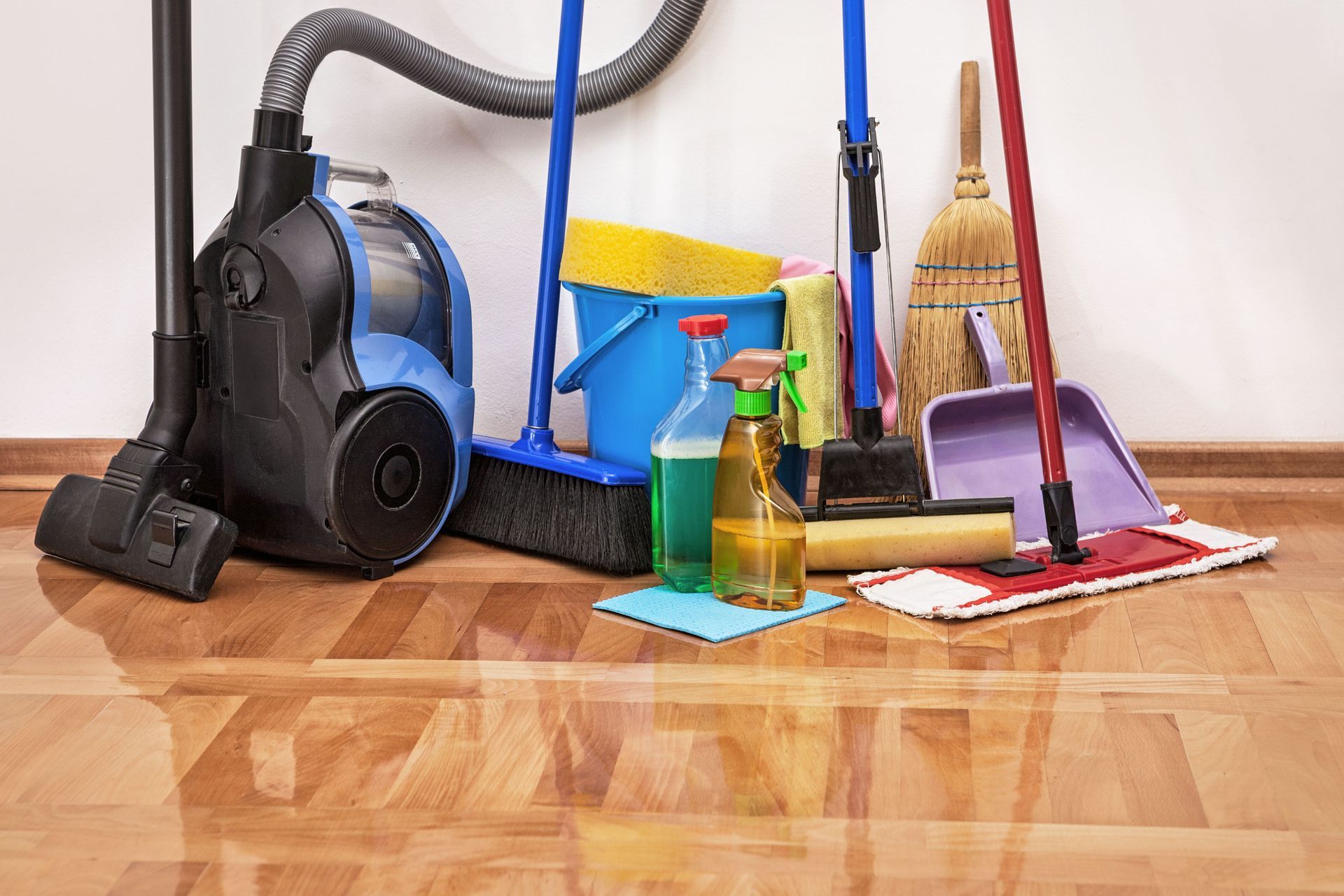
Stock up on degreasers for kitchens—they melt grease fast. Grout cleaners with bleach whiten tiles without elbow grease. Scale removers like CLR tackle bathroom buildup safely. Skip all-purpose sprays for these jobs; they lack punch.
Baking soda and vinegar serve as cheap basics for most tasks. Natural options reduce chemical smells. Build a kit with gloves and buckets for safety.
Utilizing Steam Cleaners and Microfiber Technology
Steam cleaners heat water to 200 degrees, killing 99% of germs on contact. Use them on grout, upholstery, and floors for deep penetration. Microfiber cloths trap dust better than cotton—color-code by room to avoid spreading dirt.
Start with steam on tough spots, follow with microfiber for polish. This combo saves water and time. Rent a steamer if you don't own one.
Creating an Efficient Deep Cleaning Workflow
Clean top to bottom: dust ceilings before floors to avoid redo. Work back to front in rooms so you don't track dirt over fresh spots. Break tasks into days—kitchen one, bathroom next. Set a timer for focus.
This order keeps energy up. Plan around your schedule for steady progress.
The Lasting Impact of a True Deep Clean
A deep clean covers kitchens with appliance overhauls and grout shines, bathrooms through scale busting and fixture polishes, living areas via dust control and fabric freshens, plus walls and hidden spots. It hits every layer for full results. You'll breathe easier with less allergens, surfaces last longer, and your home feels calmer.
Air quality improves, cutting sickness chances. Dust mites drop, allergies ease. Schedule this twice a year—grab your tools and start today for that fresh vibe. Your space deserves it.